

Aviator Calc
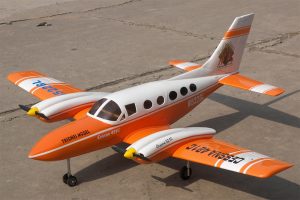
Each and every airplane is a different one; they are piston-powered, jet-powered, electrically driven controls and hydraulically driven types. An aircraft is a machine which is used for the travel purpose and these aircraft are divided into two types. The first type is the lighter-than-air craft and the second type is heavier than aircraft. The lighter-than-air craft has its own ability to float and the heavier-than-air craft has an engine in order to propel them through means of air. The aircraft systems are controlled by the switches, dials, knobs which are present in the cockpit. Generally, most of the aircraft are aerodynamically controlled and the possess single-engine, two-seaters, metallic one. The fuselage part is made up of a semi-monocoque frame structure. Here, a vertical stabilizer is also present and the engine compartment is totally separated from the crew compartment with the aid of steel wall. The wings are made up of the metallic rectangular platform along with the auxiliary spar.
Aviator Calc is a famous aircraft which is used for the delivery service including the passenger services. Our support team is available 24*7 to help the customers. Generally, Aircraft maintenance is the practice of examining, inspecting, repairing or modifying an aircraft component or a whole aircraft itself. The term ‘maintenance’ may include tasks of ensuring the Airworthiness Directives along with compliances. In order to ensure the safety and make the functioning right during the flight time, the maintenance of the aircraft is regulated thoroughly. It has been coordinated through national regulations to maintain international standards that are maintained by international standards like the International Civil Aviation Organization (ICAO). All the tasks that are associated with the maintenance of the aircraft will be carried out by the tightly regulated personnel and staff those who are licensed.
A brief sketch about the passenger service system
As every one of us knows that air transport has been a modern era and the expectations are been increasing day by day. The overall demand for the single channel sales including the distribution capabilities has grown at a huge level than expected one. The major requirements are the unique and dynamic ancillary products. In the passenger service, there is a guideline for the baggage claim areas including the terminal point.
Yes, the Airline Passenger System plays a critical role in most of the industries and it is a set of promising solutions where it allows a flexible management for the end to end operations through the list of the passenger-related activities. There is a list of the major elements such as the reservation, ticketing, check-in, departure control including customer care. The demand for the airline Passenger Service System is expected to increase in the future, taking the factors of the enhancement of demand for travel, airline market including the passenger volume.
What do you mean by the Crane Passenger Service System?
The Crane Passenger Service System is the major solution suite to address any type of challenges including the web-based passenger service system offering a modular platform along with the reservation, inventory including the departure control system. These systems are the regulated one and the platforms which are the complex one. Day by day the embracing changes lead to the great demand of the industry.
Most of the organizations provide an airline passenger system suite along with the ability to transform with the reliable industry. Maximization of the customer experience or increasing of the profit is the most considering factor. The system consists of the Reservation and Passenger Service, Internet Booking Engine, Departure Control System, Loyalty Layer, and Customer Care Layer etc. This one has to fill in the space between that of the traditional airline practices, latest digital trends including the capabilities.
What are the different types of carriers? – The most important one
In the lower cost carriers, the folks can enjoy for the lightweight, easy to deploy and user-friendly one in order to take care of all the business processes without any errors. This automatically gives a major time to target on refining of the products along with the dynamic packaging option, coupled with the single-channel distribution channel.
The Full-Service carriers are the one; the complex process will be preserved. The Web-based interfaces lie the fully-featured passenger Service System and it is capable of different traditional modes such as the Code share interline, e-ticketing, complex fares including the multi-class nesting and the network airline is built at the core of Crane Passenger Service System.
The Hybrid carriers are the one which is free to enjoy, matching the efficient features and also it created a unique set of needs along with the opportunities.
What about the delivery system in the aircraft?
Reducing the cost is one of the major goals of the ECDS (Enhanced Container Delivery System). The former one is the CDS (Container Delivery System). Then the ECDS was formed to improve the existing of the CDS. Generally, the ECDS is used to provide the multiple containers from about five hundred pounds to that of nearly two thousand two hundred pounds from the aircraft flying at the different altitudes such as the lower, medium and higher. These ones are determined by a specific aircraft and it is nearly capable of ten thousand pounds per system. There are some restrictions too and thus the ECDS improves the existing CDS. Typically it is transported by the various means. The total capacity is from the two thousand pounds to ten thousand pounds. In case if the capacity is increased, the number of bundles will be reduced. It has a great impact on the overall accuracy at the different level of attitudes. The most advantages of the ECDS system is its cost.
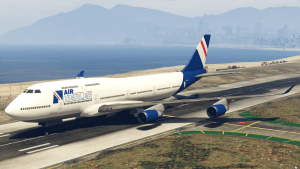 Most of the aircrafts are designed and built by the aircraft manufacturers. They are also known as the traditional aircraft and the design should be approved by the Federal Aviation Administration (FAA). Generally, the aircraft comes in different types of shapes, sizes, and prices. There is a list of aircraft kinds for each and every type of flying as fixed with the size and budget. The single-engine Piston is nothing but an aircraft with only one piston engine and usually mounted to the front position with the aid of propeller in order to drive the airplane. In case if the engine is mounted at the back position then it is known be a pusher.Next one is the business jets which range in size from the smaller one to the larger one. In the present era, corporate jet ferries have many customers, employees concerned about the companies of all the sizes. In order to avoid the airline delays and the congested hub based route systems, the specialized business fleets are used. The Amphibians are similar to that of the float planes except for the feature of retractable wheels which are used for operating from the grass strips. The Helicopters plays an important role in the filmmaking, life-saving roles, and patrol work including the agriculture. This one combines the engines in order to overhead the rotors and it helps in the process of taking off, land vertically. The Ultralights are the simple one and lightweight and their speed is limited too. They cannot carry more than five gallons of fuel with the speed is not more than sixty-three mph. This means of transport is fun and affordable too in order to enjoy the flight journey.With the aid of FAA approved designs, most of the ultralights are built. The hang gliders and the powered parachutes are also classified as the ultralights. The light Sports Aircraft has its origin in the US aviation marketplace and most of these aircrafts have been flying globally. At present they are taking their debuts in America. The multi-engine pistons have two or more piston engines and they sue their propellers in order to drive the airplane. The speed is at the higher rate and the performance is too good. The Gyroplanes use the small propeller in order to push or pull themselves forward. They use an airplane engine and with the aid of the rotor blades, the rotation takes place. At the same time, these rotors serve as the gyroplane’s rotating wing. Most of the airplanes, gliders, helicopters including the other experimental flying machines are built by the folks concerned to Start uber business using basement position.
Most of the parts are factor made kits and some of them are sophisticated. The powered parachutes are the one which is simple and affordable too. One can strap the motor along with the propeller on the back position and then hang from the parachute. One can float gently to the earth if the motor quits. Some of the larger version of the parachute seats about two people. The airships which include the blimps and the dirigibles play a major role. Similar to that of the balloons, the airships use the lighter than air-glass in order to generate the lift. They can also carry the engines and the propellers in order to generate the thrust. They have the aerodynamic control surfaces for the steering process to Earn money with Uber for x App and they also allow moving through the sky.There are three major types of airships which include non-rigid, semi-rigid and rigid. Both the semi-grid airships and the non-rigid airship use the pressure of the lifting gases in order to maintain the shape. The rigid airships have the full envelope metal interior framing. At last but not least, the hot air balloons which were used by the pre-Incan Nazca civilization. It was used more than two thousand years ago and they use either hot air or the lighter than air gases in order to generate the lift. They are carried across the landscape and they carry about three or five people. Some of the larger models are sued for the commercial services and they can carry more people. It can be seen in the colorful shape of the advertising products.
Aviator Calc FAQs
1) Do you offer any frequent flyer program?
No, we do not offer any frequent flyer program.
2) At what time does the boarding close for my flight?
The boarding gate closes twenty minutes prior to the flight departure.
3) What are the limits for carrying on the baggage?
The passengers are permitted to carry about 15 kgs and 30 kgs baggage. For more details kindly contact us.
4) What are the different types of goods fall under the ‘Dangerous’ category?
The substances which are capable of posting the significant risk to the health and environment are considered to be in the Dangerous goods category.
5) Whom should the lost items be handed over to?
You are requested to immediately contact the airline staff on duty or the Terminal Manager.
6) What is the handbag allowance?
The passengers are permitted to carry only one baggage not exceeding about 7 kgs in the cabin with them.
7) Do you offer an early check-in facility?
No, we do not provide any early check-in facility.